




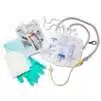












Foley Catheters
Showing 1–12 of 125 results
- Backorder
- Out of stockFoley Catheter AMSure® 2-Way Standard Tip 30 cc Balloon 14 Fr. Silicone Coated Latex | 682606Price range: $2.99 through $29.99
- Out of stockFoley Catheter AMSure® 2-Way Standard Tip 30 cc Balloon 22 Fr. Silicone Coated Latex | 803100Price range: $2.99 through $29.99
- In stockFoley Catheter AMSure® 2-Way Standard Tip 30 cc Balloon 24 Fr. Silicone Coated Latex | 803099Price range: $2.99 through $29.99
- Out of stock
- Backorder
- Backorder
- In stockFoley Catheter AMSure® 2-Way Standard Tip 5 cc Balloon 12 Fr. Silicone Coated Latex | 684149Price range: $2.99 through $29.99
- In stockFoley Catheter AMSure® 2-Way Standard Tip 5 cc Balloon 20 Fr. Silicone Coated Latex | 684154Price range: $2.99 through $29.99
- In stockFoley Catheter AMSure® 2-Way Standard Tip 5 cc Balloon 22 Fr. Silicone Coated Latex | 650655Price range: $2.99 through $29.99
- In stockFoley Catheter AMSure® 2-Way Standard Tip 5 cc Balloon 24 Fr. Silicone Coated Latex | 634909Price range: $2.99 through $29.99
- Backorder
About Foley Catheters
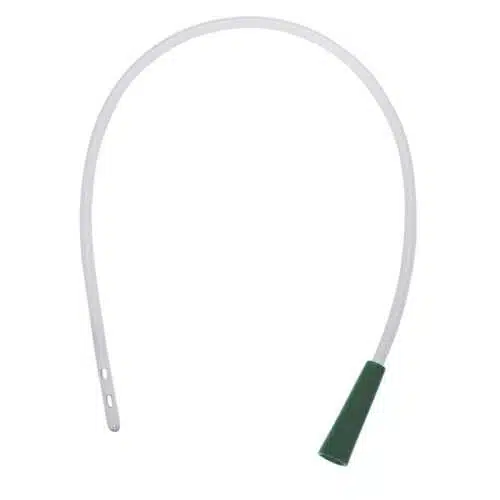
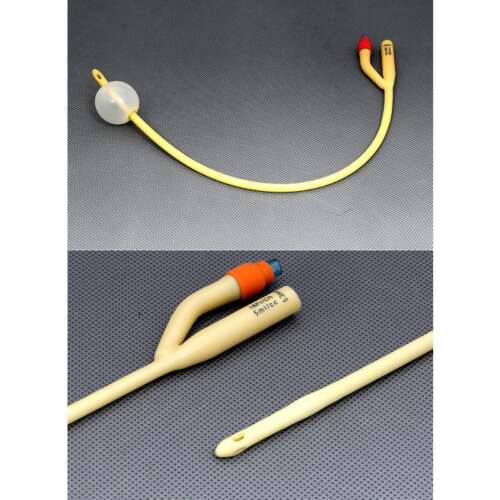
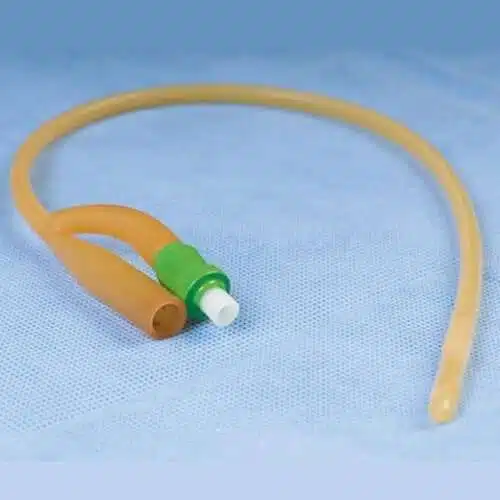
A Foley catheter is a thin, flexible tube that is inserted into the bladder to drain urine. It is named after Dr. Frederic Foley, who created the design in 1929. There are two main parts to a Foley catheter:
The tube: This is the part of the catheter that is inserted into the urethra and bladder. It is made of a soft, flexible material, such as silicone or latex.
The balloon: This is a small balloon located at the tip of the catheter. Once the catheter is inserted into the bladder, the balloon is filled with sterile water or saline. This helps to keep the catheter in place.
Foley catheters are used for a variety of reasons, including:
To drain urine from the bladder if you are unable to urinate on your own. This can be due to a number of conditions, such as urinary retention, incontinence, or surgery.
To monitor urine output. This is important in some cases, such as after surgery or if you are receiving intravenous fluids.
To irrigate the bladder. This may be necessary to remove blood clots or debris from the bladder.