












Autism · Medicaid & insurance · Michigan and nationwide
Autism Safety Beds Covered by Medicaid and Insurance
Enclosed and high-sided safety beds for children, teens and adults with autism who climb out of bed, wander at night or get hurt while sleeping. Healthcare DME checks your coverage, helps with the letter of medical necessity and handles the prior authorization.
Mon–Fri 9:00 AM – 5:30 PM · Sat 10:00 AM – 2:00 PM (Eastern)
- Michigan Medicaid + 10 more states
- Major Michigan health plans
- We prepare the prior authorization
- Delivered to 49 states + D.C.
Why a regular bed can be unsafe for a person with autism
Many autistic children and adults sleep lightly and are active at night. When that leads to injuries or to leaving the bedroom without anyone knowing, a doctor may prescribe an enclosed safety bed, sometimes called an autism bed.
- Climbing out of bed and wandering through the house at night
- Leaving the home (elopement) while the family is asleep
- Falling or jumping from the bed
- Head banging or other self-injury against walls, headboards and hard rails
- Getting into dangerous places such as the kitchen, stairs or medicines
- Sensory overload that makes it hard to settle in an open room
Recommended beds for autism
Every bed below is supplied through Medicaid and health insurance when a doctor prescribes it. Choose a bed to see its details, or check your eligibility with the bed already selected.
-
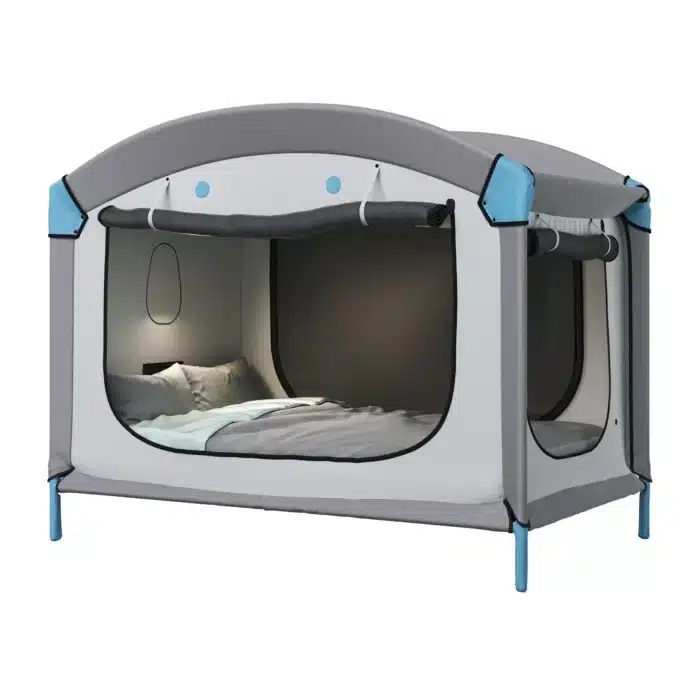
Cubby Bed – Enclosed Smart Safety Bed
A soft-sided, fully enclosed space many autistic children find calming, with an optional hub so parents can see and hear inside from another room.
Canopy enclosure · smart monitoring hub
-
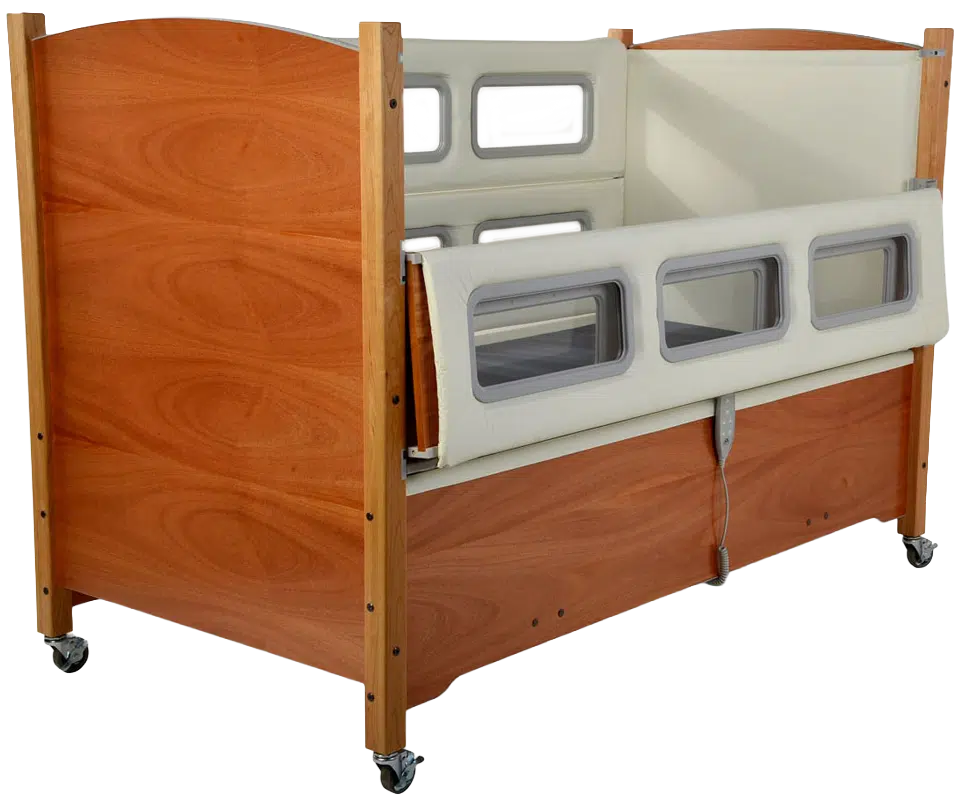
SleepSafer® TALL Safety Bed
Tall padded rails (54¾" floor to rail) for children and adults who stand up or climb in bed.
Floor-to-rail 54¾" · Twin, Full, Queen
-
SleepSafe® Extension Safety Bed
A 72" enclosure with an optional top for determined climbers who get over tall rails.
Floor-to-rail 72" · optional top
-
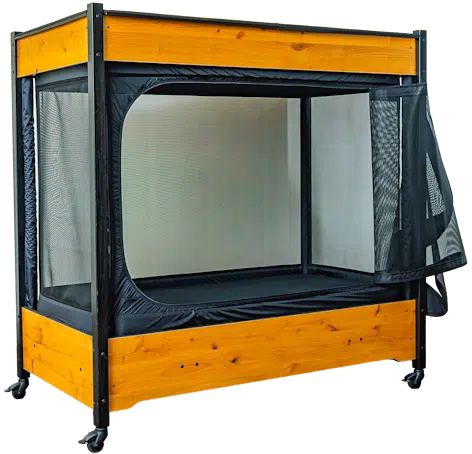
InSight by SleepSafe® Enclosed Mesh Bed
Fully enclosed mesh on every side and the top, with a zippered door and clear sight lines.
360° mesh surround and top · Twin
-
Courtney Bed – High-Sided Enclosed Safety Bed
High, soft sides and an optional top; adjusts as a child grows into a teenager and adult.
Over 50" interior height · grows with the user
-
SleepSafe® LOW Safety Bed
The lowest SleepSafe® rail, for children who roll or slide out of bed but do not climb.
Floor-to-rail 35¾" · Twin, Full, Queen

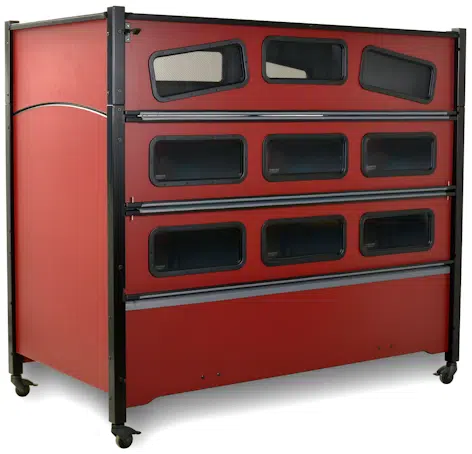
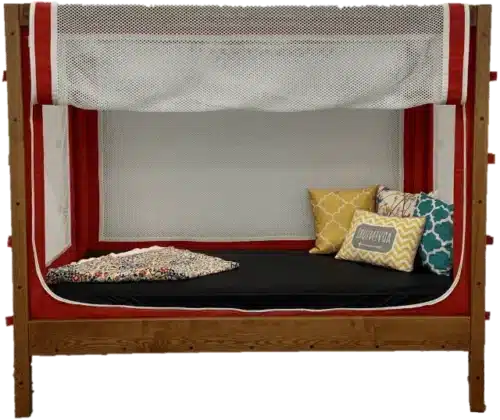
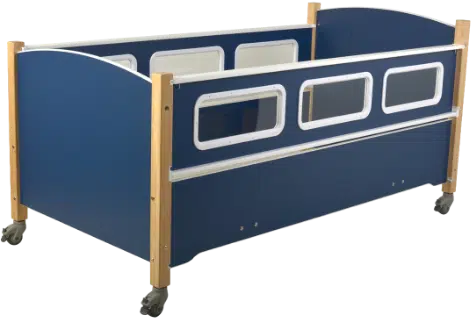
Not sure which one fits? See the bed comparison guide or call us and we will help you compare.
What to look for in a bed for an autistic child or adult
No gaps or hard edges
Padded rails or soft walls with no gaps to get trapped in or hurt on.
Height that matches the climbing
A low rail for rollers, a tall rail or a top for climbers.
Caregivers can see in
Windows or mesh let you check on your child without opening the bed.
A calm, enclosed space
A cozy, predictable space can help some sensory-sensitive sleepers settle.
Built for active users
Hardwood frames and tough fabrics that stand up to rocking and climbing.
Room to grow
Most SleepSafe® beds come in Twin, Full or Queen; the Courtney Bed adjusts in size.
Getting an autism bed covered by Medicaid or insurance
Medicaid and many private plans cover an enclosed bed as durable medical equipment when a doctor documents that it is medically necessary. For children under 21 on Medicaid, the EPSDT benefit covers medically necessary equipment. The letter of medical necessity is what plans decide on, so it should describe:
What the letter of medical necessity should cover
- The autism diagnosis and how it affects safety during sleep
- Specific night-time incidents with dates: climbing out, falls, injuries, wandering or elopement attempts
- What has already been tried, such as door alarms, a mattress on the floor, bed rails, a sleep routine or a behavior plan, and why it was not enough
- Why the requested bed (its height, top or enclosure) is needed and how it will be supervised
The letter usually comes from the pediatrician, developmental pediatrician, neurologist or psychiatrist; notes from a BCBA, occupational therapist or care coordinator can support it. Plans can deny a request that calls the bed a restraint or a convenience for caregivers, so the focus should stay on safety.
- Send an eligibility requestUse the form or call us. Tell us the bed you are interested in and your insurance.
- We check your coverageWe verify your Medicaid or insurance benefits and explain any cost to you first.
- Your doctor provides the paperworkWe send a checklist for the prescription and the letter of medical necessity.
- We submit the prior authorizationWe prepare the request and follow up with your plan until there is a decision.
- Your bed is built and deliveredOnce approved, the bed is made to order and delivered to your home.
Autism beds in Michigan and across the United States
We supply autism beds nationwide, to 49 states and Washington, D.C., from our base in Ann Arbor, Michigan. Every bed is built to order and ships from the manufacturer directly to your home.
Michigan
Healthcare DME is based at 4012 Clark Rd, Ann Arbor, and is an in-network supplier for Michigan Medicaid and Medicaid health plans, as well as Blue Cross Blue Shield of Michigan, Blue Care Network, Blue Cross Complete of Michigan, Blue Cross Blue Shield Advantage plans, Health Alliance Plan, Meridian Health Plan of Michigan, McLaren Health Plan, AmeriHealth Caritas Michigan, CareSource Michigan and other plans. We work with families in Ann Arbor, Detroit, Grand Rapids, Lansing, Flint, Kalamazoo and every part of Michigan.
Medicaid in 10 more states
We are also an in-network Medicaid supplier in:
Beds ship from the manufacturer directly to your home.
All other states: we verify your coverage
We also provide autism beds in the states below. We are not in network with every Medicaid program or health plan there, so for verification call us or submit an eligibility request. Our team will contact you, check your Medicaid or insurance benefits and explain your options before anything is ordered.
- Alabama
- Arkansas
- California
- Colorado
- Connecticut
- Delaware
- Washington, D.C.
- Florida
- Georgia
- Indiana
- Kansas
- Kentucky
- Louisiana
- Maine
- Maryland
- Massachusetts
- Minnesota
- Mississippi
- Missouri
- Nebraska
- Nevada
- New Hampshire
- New Jersey
- New Mexico
- New York
- North Carolina
- North Dakota
- Ohio
- Oklahoma
- Oregon
- Rhode Island
- South Dakota
- Tennessee
- Texas
- Vermont
- Virginia
- West Virginia
- Wisconsin
- Wyoming
See every insurance and Medicaid plan we accept. Coverage depends on medical necessity and each plan's prior authorization rules; listing a plan is not a guarantee of approval.
Frequently asked questions about autism beds
Does insurance cover a bed for a child with autism?
Often, yes. Medicaid and many private insurance plans cover an enclosed safety bed for a child with autism when a doctor documents that it is medically necessary, for example because of climbing, falls, self-injury or wandering at night. Most plans require prior authorization, and approval is decided case by case. Healthcare DME checks your plan before anything is ordered.
What is the best bed for an autistic child who climbs out of bed?
For a child who climbs, a tall-rail bed such as the SleepSafer® TALL or a fully enclosed bed is usually needed: the SleepSafe® Extension with a top, InSight by SleepSafe®, the Cubby Bed or the Courtney Bed with its optional top. Children who only roll or slide out may do well with the lower SleepSafe® LOW. The doctor or therapist should explain the choice in the letter of medical necessity.
Is the Cubby Bed covered by insurance?
For children who qualify, yes. Healthcare DME supplies the Cubby Bed only through Medicaid and health insurance when it is prescribed as medically necessary. We check your coverage and prepare the prior authorization.
Is an enclosed bed for autism a restraint?
An enclosed safety bed is prescribed to keep a person safe during sleep, not to restrain them. The person can be seen and reached by caregivers at all times. Because plans may deny requests that describe the bed as a restraint or as a convenience, the documentation should focus on the safety risks caused by the condition.
What should the letter of medical necessity for an autism bed say?
It should state the autism diagnosis, describe the night-time safety risks with specific incidents, list what has already been tried and why it did not work, and explain why the requested bed is needed and how it will be supervised. We send you a checklist after your eligibility request.
Do you have autism safety beds for teenagers and adults?
Yes. SleepSafe® beds come in Twin, Full or Queen sizes, and the Courtney Bed and InSight by SleepSafe® are used by teenagers and adults with autism as well as children.
Does Michigan Medicaid cover autism safety beds?
Michigan Medicaid can cover an enclosed safety bed when it is medically necessary, usually with prior authorization. Healthcare DME is an in-network supplier for Michigan Medicaid and Medicaid health plans, and we prepare and submit the request for you.
How long does it take to get an autism bed?
Once we have the prescription and letter of medical necessity, plan decisions commonly take a few weeks. The bed is then built to order by its manufacturer and delivered to your home. We keep you updated at every step.
Do you supply special needs beds in my state?
Yes. From our base in Ann Arbor, Michigan, Healthcare DME supplies special needs beds to 49 states and Washington, D.C., and we are an in-network Medicaid supplier in Michigan, Alaska, Arizona, Idaho, Illinois, Iowa, Montana, Pennsylvania, South Carolina, Utah and Washington and in network with major Michigan health plans. In every other state we verify your Medicaid or insurance coverage case by case: call (734) 975-6668 or submit an eligibility request, and our team will contact you, check your benefits and explain your options before anything is ordered.
Check your eligibility
Tell us which bed you are interested in and your insurance. Our team checks your coverage and guides you through the paperwork. Email is optional.
More special needs beds by need
Read the full guide to special needs beds covered by Medicaid and insurance, or browse all special beds.